
Modern vehicles are smarter than ever. With dozens of sensors, multiple onboard computers and complex electronic systems, they’re constantly monitoring themselves — and warning you when something isn’t right.
But when a check engine light, ABS light, or transmission warning comes on, you’re left with one big question:
👉 “What’s actually wrong with my car?”
That’s where a diagnostic test comes in. It’s one of the quickest, most accurate, and most cost-effective ways to understand what’s happening under the bonnet.
At Performance Plus, diagnostic tests are a big part of how we help drivers around Queanbeyan and Canberra avoid unnecessary repairs, get clear answers, and fix issues properly the first time.
What Exactly Is a Car Diagnostic Test?
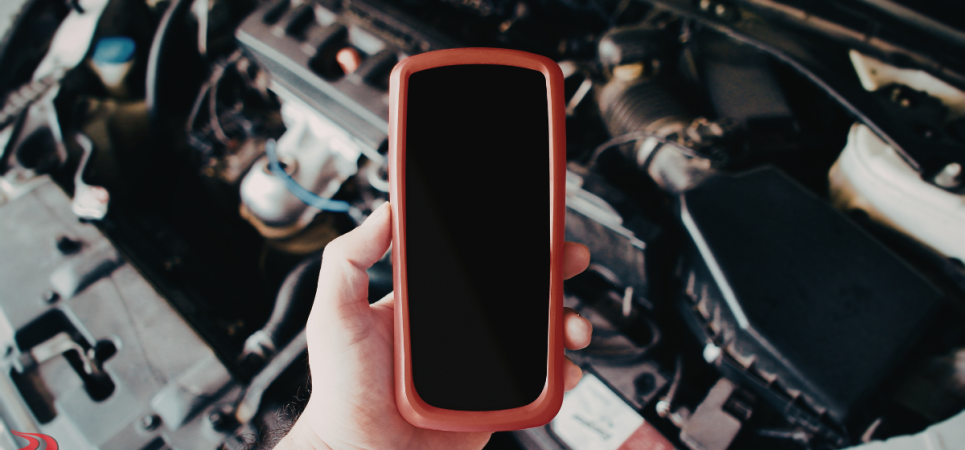
A diagnostic test is a process where we connect your vehicle to a specialised scan tool to read data from the car’s internal computers.
Almost every modern vehicle — petrol, diesel, hybrid, 4WD and performance models — contains control modules such as:
- ECU (Engine Control Unit)
- TCM (Transmission Control Module)
- ABS/Brake Controller
- SRS/Airbag Module
- Body Control Module
- Diesel DPF/Emissions System
- Steering & Stability Control Systems
These modules store fault codes, live readings and event logs. A diagnostic test retrieves that information so our mechanics can pinpoint the cause of your issue.
How Modern Diagnostic Tools Work
Think of a diagnostic tool as the “translator” between your vehicle and the mechanic.
Our diagnostic equipment reads things like:
- Check engine fault codes
- Misfire data
- Fuel mixture and timing
- Turbo boost pressures
- DPF status and soot levels (diesels)
- Sensor readings (MAF, O2, MAP, crank, cam etc.)
- ABS and traction control events
- Airbag system warnings
- Transmission shift patterns
- Charging system performance
- Cooling system temperatures
- Live engine data under load
This allows us to narrow down the source of a problem quickly — whether it’s electrical, mechanical, fuel-related or emissions-related.
It’s not just plugging in a scanner.
It’s the combination of:
✔ High-quality diagnostic tools
✔ Live data interpretation
✔ A mechanic who knows what the numbers actually mean
That’s what gives you an accurate answer.
What a Diagnostic Test CAN and CAN’T Tell You
A diagnostic test CAN tell you:
- Which component is behaving abnormally
- Whether a sensor is providing bad data
- Whether the issue is electrical or mechanical
- Which system is involved (fuel, air, ignition, emissions, transmission)
- Whether the issue is urgent or safe to drive temporarily
- If the vehicle needs immediate repair
A diagnostic test CANNOT tell you:
- Exactly which part needs replacing 100% of the time
- Whether a part is mechanically worn (without inspection)
- How long the vehicle will last if the issue is ignored
A scan tool is the starting point, not the full story.
Common Symptoms That Mean You Need a Diagnostic Check
1. Warning Lights
- Check engine
- ABS
- Traction control
- Transmission
- Airbag
- DPF or emissions
2. Poor Performance
- Lack of power
- Sluggish acceleration
- Rough running
- Hard starting
3. Strange Behaviours
- High fuel use
- Stalling
- Shaking at idle
- Odd shifting on automatic vehicles
4. Diesel DPF Issues
- Excessive regenerations
- Loss of power
- “DPF Full” warnings
- Check engine on under load
5. Electrical Problems
- Battery charging issues
- Sensors behaving unpredictably
- Dash cluster faults
If something feels off, diagnostics is your quickest ticket to answers.
Why Diagnostics Are So Important for Queanbeyan & Canberra Drivers
Local driving conditions put extra stress on modern vehicles:
- Steep climbs heading into Canberra
- Cold mornings + hot afternoons (big temperature swings)
- Highway speeds revealing hidden sensor issues
- Stop–start traffic accelerating emissions faults
- Diesel vehicles common in the region = more DPF-related problems
We see diagnostic issues regularly in:
- HiLux / Ranger / Triton / D-Max
- Toyota diesels
- Subarus
- Mazdas
- European vehicles (Audi, VW, BMW)
- Hybrids
A quick diagnostic test helps avoid breakdowns and costly guesswork.
What Happens During a Diagnostic Test at Our Workshop
1. We listen to your symptoms
Your description is often the key — when it happens, how often, what it sounds or feels like.
2. We connect the diagnostic scanner
We retrieve:
- Stored fault codes
- Pending faults
- Freeze-frame data (snapshot at time of fault)
- Live sensor readings
3. We interpret the data
The scan tool doesn’t fix cars — a mechanic with experience does.
We compare live readings to expected values, test sensors, check for electrical irregularities and confirm what the data means.
4. We test drive if needed
Some faults only appear under:
- Load
- Acceleration
- Uphill driving
- Long idles
- Highway speeds
5. We provide a clear, honest explanation
You’ll get:
- The system involved
- The likely cause
- Whether it’s urgent
- Recommended repairs
- Options + cost estimate
No pressure. No unnecessary work. No upsells.
FAQs
Do I need a diagnostic test if my car drives normally?
If a warning light is on — yes. Even if the vehicle feels fine.
Will a diagnostic test fix the issue?
It identifies the cause. A repair or adjustment is usually required after.
Can I clear fault codes myself?
You can — but the problem will come back. Clearing codes without repairs can also mask serious issues.
How long does a diagnostic test take?
Usually 20–40 minutes depending on the symptoms.
Is it expensive?
No — diagnostics saves money by preventing unnecessary part replacements.
Final Thoughts
A car diagnostic test is one of the most valuable tools for understanding modern vehicle problems. It takes the guesswork out of repairs and ensures your vehicle stays reliable, efficient and safe.
If you’ve noticed a warning light, poor performance or something that just feels “off,” a diagnostic test is the quickest way to get clear answers.