
Brake fluid is one of the most overlooked parts of a vehicle — but it’s also one of the most important. It’s the backbone of your entire braking system, helping your car stop safely whether you’re in Queanbeyan’s peak-hour traffic, driving down Lanyon Drive, or heading up the hills towards Canberra.
The problem? Brake fluid degrades over time, and when it does, it can significantly affect your stopping distance and overall safety. That’s why we offer free brake fluid tests and periodic flush recommendations — to keep local drivers safe and avoid preventable brake failures.
What Brake Fluid Actually Does
Brake fluid is designed to:
- Transfer hydraulic pressure when you press the brake pedal
- Lubricate moving brake components
- Protect internal metal parts from corrosion
- Maintain consistent braking under high heat
It’s a specialised, high-performance fluid — not something you can ignore or “top up and forget.”
Why Brake Fluid Breaks Down
Brake fluid fails for two main reasons:
1. Mechanical Wear = Invisible Contamination
Your brake system includes pistons, seals, ABS valves, calipers and cylinders. Over time, these parts create microscopic debris. This debris mixes with brake fluid and causes:
- Sticking pistons
- Seal damage
- Premature wear
- Reduced braking efficiency
- Contaminated brake lines
Left unchecked, this leads to expensive repairs.
2. Moisture Absorption (The Big One)
Brake fluid is hygroscopic, meaning it naturally absorbs moisture from the air.
Even in a sealed system, moisture enters through:
- Rubber hoses
- ABS modulator vents
- Master cylinder seals
- Normal temperature changes
- Humid or wet conditions
The more moisture it absorbs, the more its protective properties break down.
How Moisture Affects Braking Safety
Brake fluid normally boils at over 300°C. But with moisture contamination:
- 4% water content → boiling point DROPS to ~150°C
- 8% water → behaves almost like water itself
When brake fluid boils, it becomes vapour — and vapour compresses.
Meaning:
Soft pedal → longer stopping distance → possible brake failure.
That’s why brake fade often happens on:
- Long downhill roads (e.g. heading toward Canberra)
- Hot Aussie summers
- Heavy braking in traffic
- Towing around Queanbeyan or Canberra
Moisture also accelerates corrosion inside the braking system, even when everything looks normal from the outside.
Why Queanbeyan & Canberra Drivers Are More Exposed
Our region has a few environmental factors that speed up brake fluid degradation:
- Big temperature swings from chilly mornings to hot afternoons
- Stop–start traffic between Queanbeyan and Canberra
- Hilly driving where brakes work harder
- Higher moisture levels overnight in winter
All of this increases heat cycling, moisture absorption and wear — even on newer vehicles.
When Should Brake Fluid Be Changed?
Industry best practice — and manufacturer guidance — is:
🔧 Replace brake fluid every 2 years, no matter the kilometres.
Why?
- Moisture builds up naturally
- 4% moisture can occur within 2 years
- “Looks clean” ≠ actually safe
- Flushing is far cheaper than repairing ABS or calipers
- Local driving conditions accelerate breakdown
At Performance Plus, we test brake fluid at every service, so you always know where things stand.
What Happens During a Brake Fluid Flush?
When your fluid needs replacing, we:
- Test moisture content
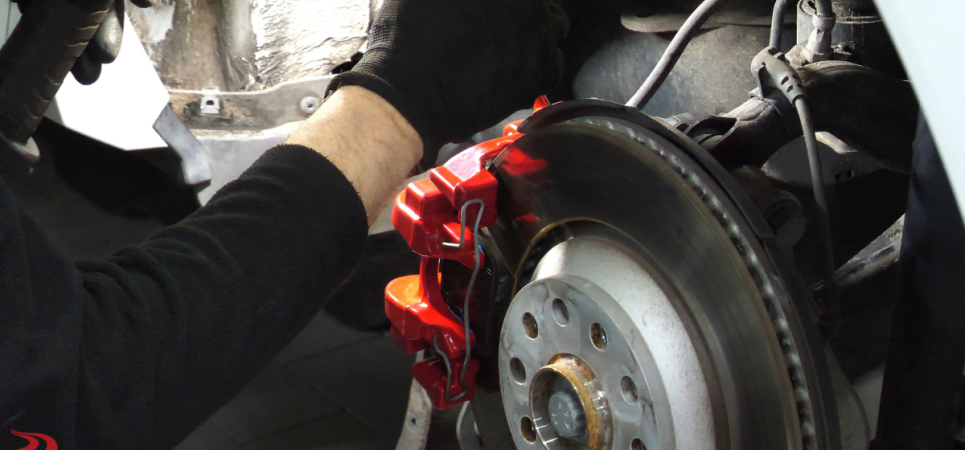
- Inspect seals, hoses and calipers
- Remove old, contaminated fluid
- Flush the system thoroughly
- Refill with high-quality, manufacturer-compliant brake fluid
- Bleed the system for correct pedal feel
- Confirm ABS + brake operation with a road test
A clean flush resets the system to safe, reliable operation.
FAQs
How often should brake fluid be changed?
Every 2 years regardless of kilometres driven. Moisture builds up with time, not distance.
What happens if you don’t replace brake fluid?
Risk of brake fade, corrosion, sticking pistons and complete brake failure under heavy braking.
Can I top up brake fluid myself?
Avoid topping up — low fluid can indicate pad wear or a leak. Topping up can mask the real issue.
Is brake fluid expensive to replace?
No — it’s one of the most affordable maintenance items and prevents far more expensive repairs.
Is brake fluid more important in hot climates?
Yes. Heat increases brake fluid breakdown and boiling risk.
Final Thoughts
Brake fluid plays a major role in keeping you and your passengers safe. Replacing it on time helps prevent brake fade, protects your braking system, and avoids expensive repairs. And with Queanbeyan and Canberra’s driving conditions, regular testing matters even more.